
If you have a conventional central air conditioner that stays off through winter, it usually does not need a full cover. Outdoor units are built for weather, and a tight plastic or vinyl wrap can trap moisture and create a sheltered space for pests. If falling leaves or debris are a real concern, use only a manufacturer-approved, breathable top guard or partial cover that does not seal the cabinet.
The answer changes if the outdoor unit is a heat pump. A heat pump runs outside while heating the home, so it needs open airflow on every operating day. Never wrap or cover a heat pump for winter use. When you are not sure what equipment you have, check the thermostat for heat-pump or auxiliary-heat settings, look up the outdoor unit model, or ask a technician before adding anything around it.
The short answer for Sacramento-area homes
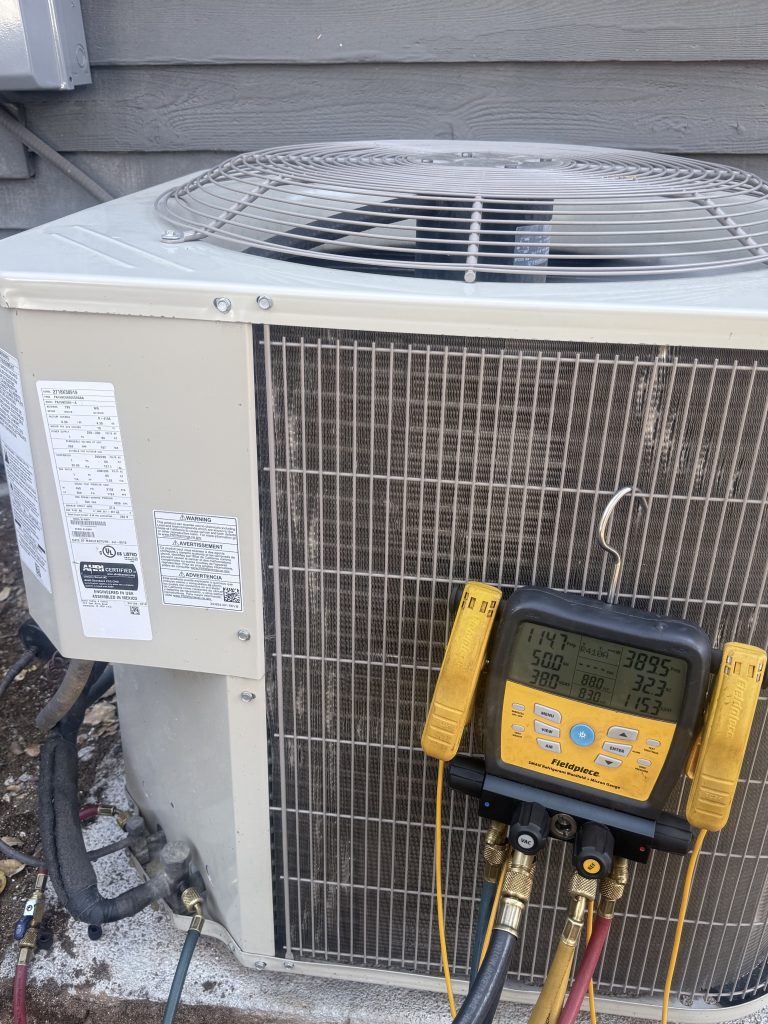
For most standard split-system air conditioners in the Sacramento area, routine fall cleanup is more useful than wrapping the outdoor condenser. Remove loose leaves around the cabinet, keep landscaping from pressing against the coil, and make sure irrigation or roof runoff is not aimed at the equipment. Leave the top, sides, and service panels accessible.
Manufacturer guidance should come first because equipment designs and approved accessories vary. Lennox explains that modern outdoor air conditioners generally do not require full winter covers and warns that non-breathable covers can hold moisture around the unit. The company notes that limited top protection may help where falling debris is a specific hazard. Its winter AC cover guidance is a useful example of why the material and coverage area matter.
First identify an air conditioner or heat pump
A central air conditioner uses its outdoor unit for cooling and normally stays off while a separate furnace provides heat. A heat pump uses the outdoor unit for both cooling and heating. The cabinets can look similar, so appearance alone is not a reliable way to decide whether winter covering is safe.
- Check the thermostat. Settings such as Heat, AUX Heat, or Emergency Heat may indicate a heat-pump system, although thermostat labels are not proof by themselves.
- Check the model information. The manufacturer and model number can identify the equipment type. Do not remove a service panel to find it.
- Observe normal winter operation. If the outdoor unit runs while the home is heating, treat it as operating equipment and keep it completely uncovered.
- Ask before guessing. Fusion can identify the system during maintenance or service without relying on a homeowner’s best guess.
Steam and a temporarily stopped outdoor fan can be normal during a heat pump’s defrost cycle. Our guide to heat-pump defrost in Auburn explains that behavior and the warning signs that deserve service. A cover over an operating heat pump can block the airflow the unit needs.
Why a full plastic wrap can cause problems
It can trap moisture
A sealed cover limits air movement. Moisture from rain, condensation, or the ground can remain inside instead of drying. That does not protect the cabinet the way a homeowner may expect. It can keep metal and electrical areas damp for longer periods.
It can invite pests
A wrapped cabinet can create a quiet shelter. Rodents may damage insulation or wiring while nesting, and their presence may not be obvious until the system is started again. A cover should never be treated as pest control.
It can be forgotten in spring
Starting an air conditioner with a cover still in place can severely restrict airflow. Even a partial accessory must be used according to its instructions and removed when required. Put any approved seasonal cover on a written spring checklist instead of relying on memory.
When limited protection may make sense
A top-only guard or a fitted breathable accessory can be reasonable when the unit sits directly below trees that drop leaves, seed pods, or small branches. The goal is to deflect debris without enclosing the coil or fan openings. Use an accessory approved for the specific equipment whenever one is available, and follow its installation and removal instructions.
Do not improvise with a tarp, trash bag, shrink wrap, or material tied around the sides. Avoid placing plywood directly on the cabinet where it can shift, block openings, or become a wind hazard. If overhead debris is a recurring concern, ask whether a properly supported guard can be installed with the clearances required by the manufacturer.
Homes in Truckee and the Tahoe area face different snow and ice conditions from homes on the Sacramento valley floor. That does not make a full wrap safe, especially for a heat pump that operates all winter. Snow stands, wind baffles, or top guards are equipment- and site-specific choices. The installation instructions and a local equipment assessment should guide that decision.
Safer winter protection without wrapping the unit
- Turn off cooling at the thermostat before doing yard cleanup nearby. Do not reach through the grille or open panels.
- Remove loose debris from the ground. Rake leaves away from the base rather than pushing them under the cabinet.
- Trim vegetation carefully. Preserve the clearances listed in the equipment instructions and avoid striking the fins with tools.
- Redirect water sources. Sprinklers and downspouts should not spray or drain directly onto the unit.
- Look for visible damage. Bent panels, a shifted equipment pad, damaged wiring conduit, or a loose disconnect enclosure should be evaluated before the next cooling season.
- Add the unit to your seasonal checklist. Our Sacramento fall HVAC changeover checklist covers other safe observations before heating season.
Do not pressure-wash the coil, bend the fins with a stiff brush, or remove the top grille for a do-it-yourself cleaning. A technician can clean and inspect the outdoor equipment without turning basic leaf removal into a repair.
What to check before cooling starts again
Before the first warm stretch, confirm that any seasonal accessory has been removed if its instructions require removal. Look through the grille for obvious leaf buildup without reaching inside. Make sure nothing has been stored against the cabinet and that landscaping has not grown into the coil area.
A spring service visit can check the condenser coil, electrical components, refrigerant-system operation, airflow, and condensate drainage. If you are comparing maintenance scopes, our Rocklin AC tune-up guide explains what a useful visit should cover. A cover cannot replace inspection or maintenance.
Winter AC cover questions
Will rain damage an uncovered AC condenser?
Outdoor equipment is designed to live outside. Normal rain is not, by itself, a reason to seal the cabinet. Keep drainage around the pad clear and correct unusual water sources such as a sprinkler aimed at the unit.
Can I cover only the top?
Sometimes, but use a stable, manufacturer-approved accessory that preserves airflow and does not damage the cabinet. A loose board or improvised sheet can create new risks. Ask before adding protection when the correct accessory is unclear.
Should I cover a heat pump during winter?
No full cover should be placed over a heat pump that may run for heating. It needs unobstructed airflow and room for defrost water to drain. Keep leaves, snow, and stored items away from the unit, and follow the manufacturer’s cold-weather instructions.
Protect the equipment the right way
If you are unsure whether the outdoor unit is an air conditioner or heat pump, or whether a top guard is appropriate, Fusion Heating & Cooling can identify the equipment and explain the manufacturer’s requirements. Review our HVAC services or contact Fusion to request maintenance or an equipment evaluation.