
The right HVAC system is not automatically the largest model that fits the budget. Proper HVAC system sizing matches heating and cooling capacity to the actual needs of the home. For Sacramento homeowners planning a furnace, heat pump, or air conditioner replacement, that means evaluating the building—not choosing equipment from square footage alone.
A correctly selected system should be able to maintain comfort under expected design conditions while operating within the manufacturer’s airflow and performance requirements. An oversized conventional system may turn on and off too frequently. An undersized system may struggle during demanding weather. The goal is a documented match among the home’s load, the equipment, and the duct system.
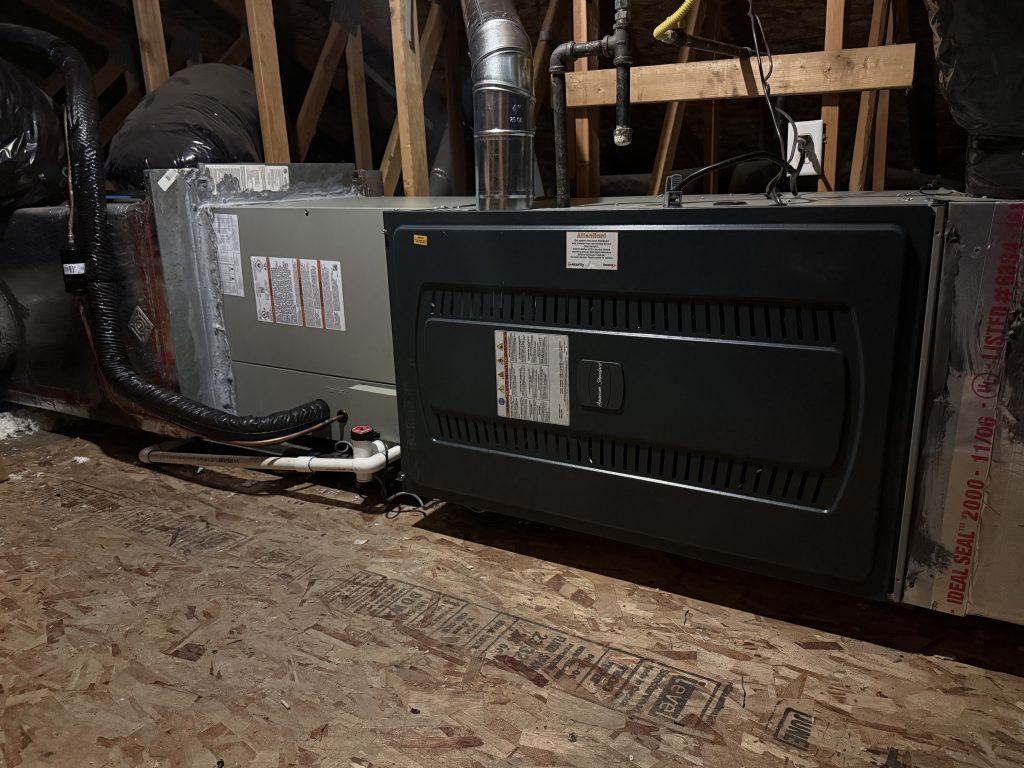
What HVAC system sizing actually means
HVAC capacity is commonly described in BTUs per hour or, for cooling equipment, tons. Those numbers describe how much heat the system can add or remove under specified conditions. They do not describe the physical dimensions of the cabinet, and a larger capacity number is not automatically an upgrade.
A residential load calculation estimates how much heating and cooling the home needs. The Air Conditioning Contractors of America identifies Manual J as the ANSI-recognized residential load-calculation standard. The calculation considers the home’s construction and exposures rather than relying on a single rule of thumb.
Why square footage is not enough
Two Sacramento-area homes with the same floor area can have different HVAC loads. Window area and orientation, insulation levels, air leakage, ceiling height, shade, duct location, additions, and the number and use of rooms can all change the result. A remodeled home may also have a different load than it had when the existing equipment was installed.
That is why replacing an old unit with the same nominal capacity is not always the best answer. The old system may have been oversized, the building envelope may have changed, or the new equipment may perform differently. A contractor should confirm the current load and match equipment using its published performance data.
What happens when equipment is oversized
An oversized conventional air conditioner or furnace can satisfy the thermostat quickly and shut off before completing a longer, steadier cycle. That frequent starting and stopping is called short cycling. ENERGY STAR warns that oversized equipment may cycle too frequently, reducing comfort and potentially shortening equipment life.
- Temperatures may feel uneven. The thermostat can be satisfied before conditioned air mixes evenly through the home.
- Cooling cycles may be too short for good moisture removal. This matters more in humid conditions, but proper cycling still supports stable comfort.
- Starts and stops may increase. Repeated cycling can add stress to components and create noticeable temperature swings.
- You may pay for capacity the home does not need. A larger unit can cost more without improving comfort.
Variable-speed and modulating equipment can operate across a range of output, so its behavior is different from a basic single-stage system. That flexibility can improve comfort, but it does not eliminate the need for a load calculation and proper equipment selection.
What happens when equipment is undersized
A system with too little capacity may run for long periods and still fail to reach the thermostat setting during demanding weather. However, a long cycle by itself does not prove that the equipment is too small. Modern variable-capacity systems are designed to run longer at lower output, and even a correctly sized system can operate for extended periods near outdoor design conditions.
Before blaming equipment size, check filter condition, airflow, thermostat settings, duct leakage, and whether the system is operating correctly. Our guide to duct leaks in Sacramento homes explains how lost or restricted airflow can imitate a capacity problem.
The load calculation is only the first step
Manual J estimates the heating and cooling loads. Equipment selection must then account for how a specific model performs under the relevant indoor and outdoor conditions. ACCA’s residential design process also includes Manual S for equipment selection and Manual D for duct design. Homeowners do not need to perform these calculations, but they can ask whether the proposal is based on a documented load rather than a shortcut.
The duct system matters because the equipment must move the right amount of air to each room. A new system connected to undersized, damaged, poorly balanced, or leaky ducts may still leave hot and cold rooms. Static pressure, return-air capacity, register placement, and accessible duct condition should be evaluated as part of replacement planning.
Questions to ask before approving a replacement
- Was a room-by-room or whole-home load calculation completed?
- Which home details were measured or verified instead of assumed?
- How was the proposed model matched to the calculated load?
- Was the existing duct system checked for airflow, leakage, damage, and adequate return capacity?
- Will the thermostat and controls support every stage or variable-capacity feature?
- What commissioning checks will be completed after installation?
A good proposal should explain the reasoning in plain language. The final equipment choice may also reflect available capacity increments, system type, duct limitations, comfort priorities, and manufacturer performance data. The answer is not always one exact number, but it should be supported by more than the size of the old unit.
Sacramento-area sizing considerations
Local homes can differ substantially in age, insulation, window exposure, additions, and where ducts are located. A west-facing room with large windows may have a different cooling load than a shaded room of the same size. A duct system in a hot attic also affects the design differently from ducts inside conditioned space.
Do not rely on generic online calculators for a final equipment selection. They can help frame questions, but they cannot inspect construction details, duct condition, or installation constraints. For early budget planning, Fusion’s HVAC replacement cost calculator can organize the factors that affect a project; it is not a substitute for an on-site load calculation.
HVAC sizing questions homeowners ask
Should I replace my system with the same size?
Not automatically. Confirm the current home load first. Insulation, windows, air sealing, additions, duct changes, and the performance of modern equipment can make a different capacity appropriate.
Can a larger air conditioner cool the house faster?
It may lower the thermostat temperature quickly, but faster is not the same as better. Short cycles can produce uneven comfort and may keep the system from operating as steadily as intended. Proper capacity and airflow are more important than maximum output.
Does a heat pump need a load calculation?
Yes. Heat-pump performance changes with outdoor conditions, so the heating load, cooling load, equipment data, controls, and any backup-heat strategy should be considered together.
Can duct problems make a correctly sized system feel wrong?
Yes. Capacity at the equipment does not guarantee correct delivery to every room. Leakage, restrictions, poor balancing, and inadequate return air can reduce comfort even when the equipment selection is sound.
Plan the replacement around your home
Fusion Heating & Cooling can evaluate your existing system, discuss replacement options, and explain how equipment capacity, airflow, and ductwork fit together. Review our heating and cooling services, see our Sacramento HVAC service page, or contact Fusion Heating & Cooling to schedule an assessment. Regular hours are 7 a.m.–5 p.m. every day, with emergency calls available 24/7.