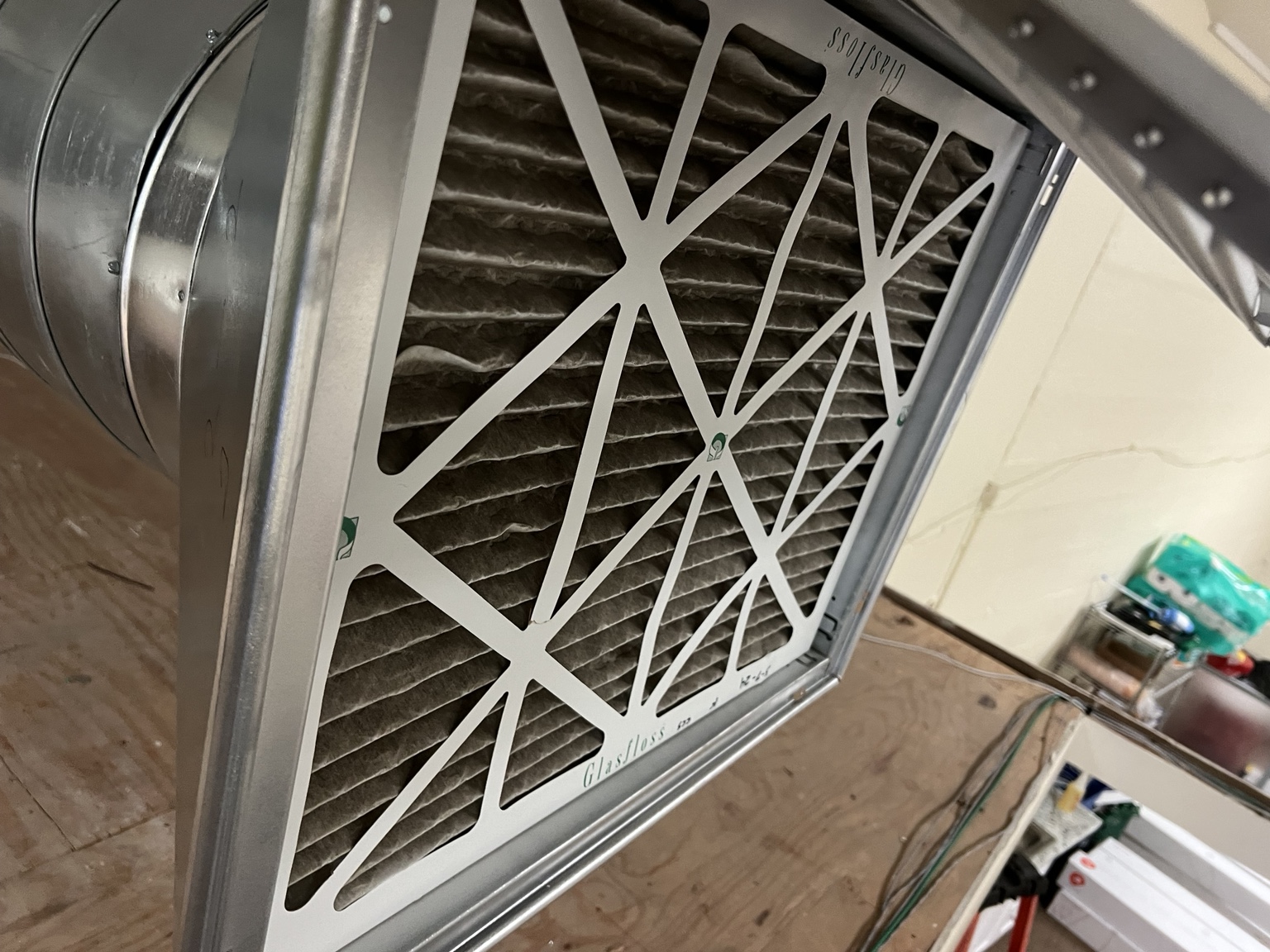
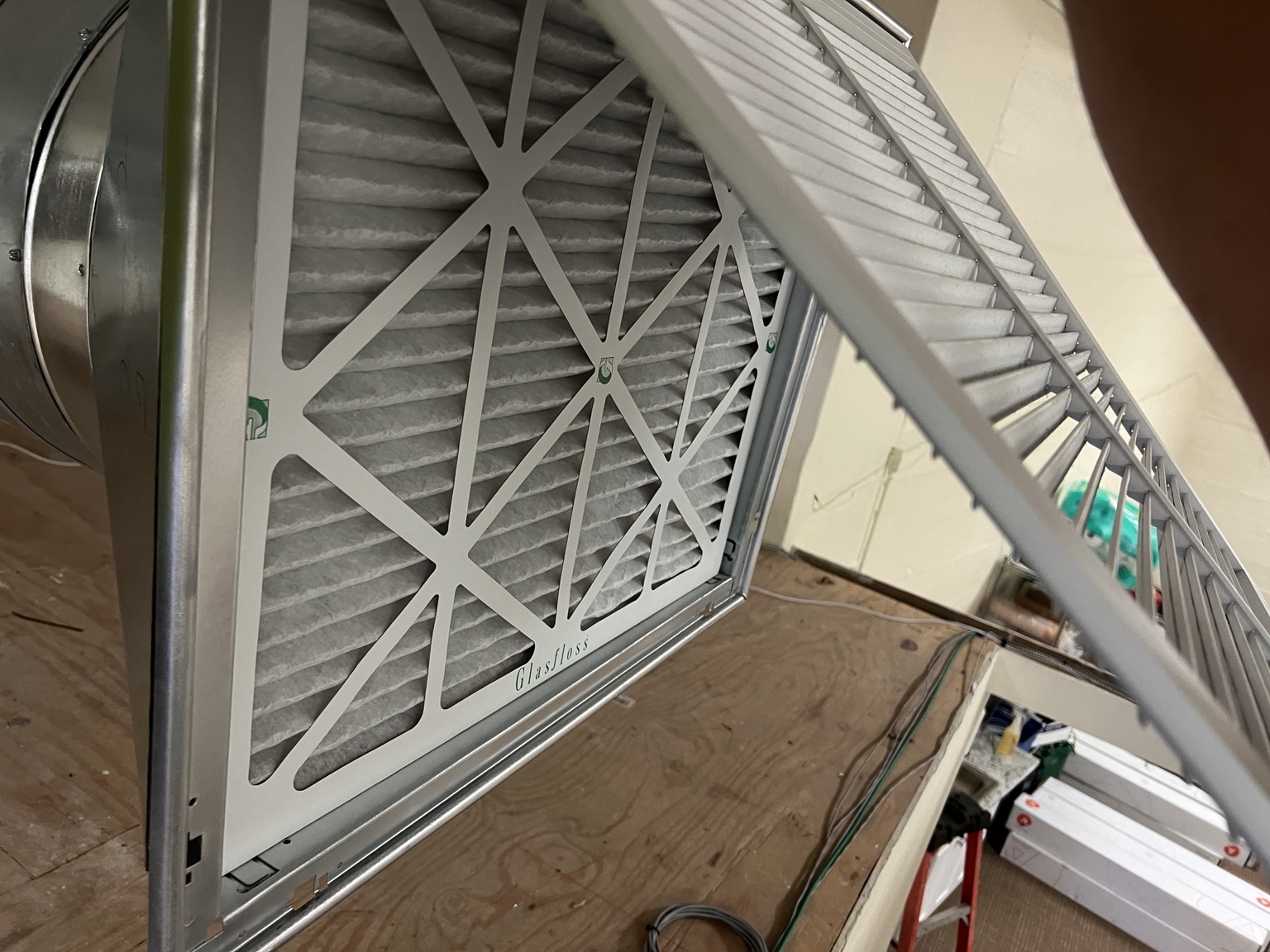
If you are wondering how often to change an air conditioner filter, start with a monthly check. Replace a disposable filter when it looks dirty, and always follow the filter and equipment manufacturer instructions. ENERGY STAR recommends checking the filter every month, especially during heavy cooling or heating use, and replacing it at least every three months. Homes with pets, wildfire smoke, remodeling dust, or long daily run times may need a new filter sooner.
That simple answer works for both air conditioning and many forced air heating systems because they often share the same return air filter. The right schedule still depends on your filter, your equipment, and what is happening inside and outside your home.
A practical Sacramento HVAC filter schedule
In Sacramento, Roseville, Rocklin, Lincoln, Antelope, and Loomis, one calendar interval will not fit every house. A standard disposable filter might remain usable for one to three months in one home and load much faster in another. Use the schedule below as a check routine, not a promise that every filter will last that long.
| Home condition | When to inspect | What to do |
|---|---|---|
| Typical use | Every month | Replace a disposable filter when dirty and follow the maker’s interval |
| Pets or extended system use | Monthly, or sooner if it loads quickly | Shorten the replacement interval based on what you see |
| Wildfire smoke | Frequently during the smoke event | Replace when dirty or when directed by the filter maker |
| Remodeling or construction dust | During the dusty work and after it ends | Replace a loaded filter and check it again soon |
| Washable filter | As directed by the equipment manual | Clean only as instructed and let it dry completely |
Write the installation date on the filter frame and set a monthly reminder. A thermostat alert tracks time, not actual dust, so still inspect the filter.
Why a dirty HVAC filter matters
Your return filter catches particles before air reaches the blower and indoor coil. As the filter loads, it can restrict airflow. ENERGY STAR notes that a dirty filter can increase energy costs and damage equipment, which may contribute to early failure.
Possible signs of a dirty HVAC filter include weaker airflow at the vents, longer system run times, trouble reaching the thermostat setting, whistling near the filter slot, or a filter surface that looks heavily loaded. These symptoms can also come from duct problems, a dirty coil, a blower issue, or other faults. Replacing the filter is a sensible first check, but it is not a complete diagnosis.
How to change a disposable air conditioner filter
- Turn the system off at the thermostat before opening the filter grille or cabinet.
- Locate the filter at a return grille or beside the furnace or air handler. Some homes have more than one return filter.
- Read the size printed on the frame. The printed size may be a nominal size rather than the exact measurement, so use a filter that fits the slot correctly.
- Insert the replacement without bending or crushing it. The airflow arrow should point toward the furnace, air handler, or blower. At a wall or ceiling return, it normally points into the duct and away from the room.
- Confirm that the filter sits snugly without large gaps, then close the grille or access door and turn the system back on.
Do not stack two filters or add filtration in a second location unless the system was designed for it. Extra resistance can reduce airflow. If the old filter is crushed, loose, or an unusual size, we can verify the correct filter cabinet and system requirements.
How to clean an air conditioner filter
First confirm that the filter is actually washable. Standard fiberglass and pleated disposable filters should be replaced, not rinsed. Water can damage their media and does not reliably restore their performance.
For a filter clearly labeled reusable or washable, turn the equipment off, remove the filter, and follow the product manual. The maker may direct you to vacuum loose debris, rinse with water, or use a specific cleaning method. Let the filter dry completely before reinstalling it, and keep the airflow arrow facing the correct direction. Ductless systems and window air conditioners often have a washable screen, but their cleaning steps and intervals vary by model.
MERV 8 vs MERV 13: which filter should you use?
MERV describes how efficiently a filter captures particles across tested size ranges. A MERV 13 filter captures more small particles than a MERV 8 filter. That does not mean every system should receive the highest number available.
The best filter is one that provides the desired filtration while maintaining the airflow your equipment needs. Filter thickness, surface area, cabinet size, blower performance, and the amount of dirt already on the media all matter. A system designed around a basic one inch filter may need an airflow and static pressure check before moving to a different filter type.
For everyday use, a compatible MERV 8 filter may be appropriate when that is what the equipment maker specifies. For better fine particle filtration, the United States Environmental Protection Agency recommends MERV 13, or the highest rating that the system fan and filter slot can accommodate. If you are comparing MERV 8 vs MERV 13 and the manual does not answer the question, we can evaluate the system rather than guess.
What is the best HVAC filter for wildfire smoke?
Wildfire smoke contains fine particles, so Sacramento area homeowners often need a different filtration plan during a smoke event. EPA guidance says to use a MERV 13 filter, or the highest efficiency filter your system can handle. It should fit snugly so air does not leak around it.
During heavy smoke, EPA advises checking the HVAC filter frequently and changing it when it appears dirty. Keep a spare filter ready. If your central system has an outdoor air intake, EPA and California Air Resources Board guidance recommends using recirculation or closing that intake during smoky conditions when the system allows it. With a compatible high efficiency filter installed, running the HVAC fan more often can increase filtration, though it also uses more electricity. Return the controls to their normal setting when outdoor air quality improves.
A furnace filter is only part of a smoke plan. A properly sized portable air cleaner can add filtration in the room where people spend the most time. EPA recommends avoiding units that intentionally produce ozone. CARB maintains a list of air cleaning devices certified to meet California ozone emission limits.
When a filter change is not enough
Call for service if a clean, correctly installed filter does not restore normal airflow or comfort. You should also have the system checked if filters collapse, become dirty unusually fast, do not fit the cabinet, or if you are unsure whether the blower can support a higher MERV filter.
Visible ice, water around the indoor equipment, repeated breaker trips, loud mechanical noise, or an air conditioner that still blows warm air point to more than routine filter care. Turn cooling off if you see ice and do not chip it away. Review our emergency AC repair guidance and call for current scheduling. For a furnace that overheats, shuts down, or does not produce heat after a filter change, see our heating and furnace repair service. If you smell gas or see smoke, leave the building and contact the gas utility or emergency services from a safe location.
Frequently asked questions
Can I change my AC filter every 90 days?
Ninety days may work for some filters and homes, but it is not universal. Check monthly and replace the filter sooner if it is dirty. Follow the equipment and filter manufacturer instructions.
Do the furnace and air conditioner use the same filter?
Many central systems use one return filter for both cooling and forced air heating. Some homes have several return filters or a separate filtration cabinet, so confirm your system layout before buying replacements.
Can a dirty filter make the AC stop cooling?
A severely restricted filter can reduce airflow and contribute to poor cooling or indoor coil icing. If the coil thaws and water appears indoors, use our Sacramento AC water-leak guide to understand the next safe steps. Refrigerant, coil, blower, duct, and electrical problems can cause similar symptoms. If a clean filter does not solve the problem, schedule a diagnosis.
Should I use MERV 13 during wildfire smoke?
EPA recommends MERV 13, or the highest efficiency filter your system can accommodate, for fine particle filtration. Confirm compatibility, install it snugly, and inspect it frequently during heavy smoke.
Need help choosing a Sacramento HVAC filter?
For a broader seasonal check, use our fall HVAC changeover checklist for Sacramento homes. If a fresh filter does not restore airflow, our Sacramento duct-leak guide explains the next checks. If you are unsure about filter size, airflow direction, MERV compatibility, or a system problem that remains after replacement, Fusion Heating & Cooling can help. We serve homeowners in Sacramento, Roseville, Rocklin, Lincoln, Antelope, Loomis, and nearby communities. Call 916-666-0074 for current scheduling or request service online.